Death doula
A death doula is a present companion in the last days of life whose task is to create a safe and accepting environment around the dying person or their loved ones. We can be by your side at home, in hospice or in hospital and support you emotionally and with wishes, planning and conversations with the healthcare team and loved ones.
A death doula is by your side during the last days of life – at home, in hospice or in hospital. The role is about presence, continuity and security, in a period that often includes both practical needs and strong emotions. Sometimes the support is about companionship and tranquility: someone who listens, holds the space and is there. Sometimes it is about relieving the burden on loved ones, coordinating contacts or helping to create a warm and dignified environment where your wishes are at the center.
For some, it can be valuable to share thoughts and feelings with someone outside – especially when relatives are missing, or when what needs to be said is difficult to share with those closest to you. Our transition companions are trained and certified death doulas, or Death Doulas with training in the USA. The assignment is carried out with care, integrity and respect for both the individual and the situation.
We always start with an initial meeting where we get to know each other and see if the collaboration feels right. All support is voluntary and is adapted to your needs, at a pace that feels safe.
We invoice according to an agreed hourly or package price.
Katarina Blix Lundqvist

Death Doula
Katarina is a certified Death Doula and End-of-Life Planner, trained at Going with Grace in Los Angeles.
As a Death Doula, she supports people in the final stages of life and their loved ones through existential conversations, practical planning and presence in a transformative time. She can help formulate wishes for the last days, create security for the upcoming farewell and be available as continuous support throughout the process.
She offers support in both Swedish and English.
Katarina is also there for those who want to plan in advance – no matter where they are in life. With a background as a grief therapist and grief counselor, she meets people with respect, calm and long experience of life's most vulnerable transitions.
Christine Hanberg

Dödsdoula
Christine is a Certified Death Doula®, trained at Death Doula in Scandinavia. She accompanies people and their loved ones through the last days of life – with a presence characterized by calm, warmth and deep respect.
For some, it begins long before – in an exploration of thoughts about the end of life and a desire to face what comes with greater security.
In the encounter with what is often both fragile and upsetting, Christine creates a safe space where there is room for conversation, silence, emotions and reflection. She supports in approaching the end of life in your own way, in formulating what is important and in daring to be in what is – exactly as it is.
Her work is as much about carrying as it is about guiding. Being there through change, in the practical as well as the existential, and contributing to ensuring that the last days are characterized by dignity, presence and meaning.
Making contact can be a first quiet step – no matter where you are.
Jeanna Bäck Giray
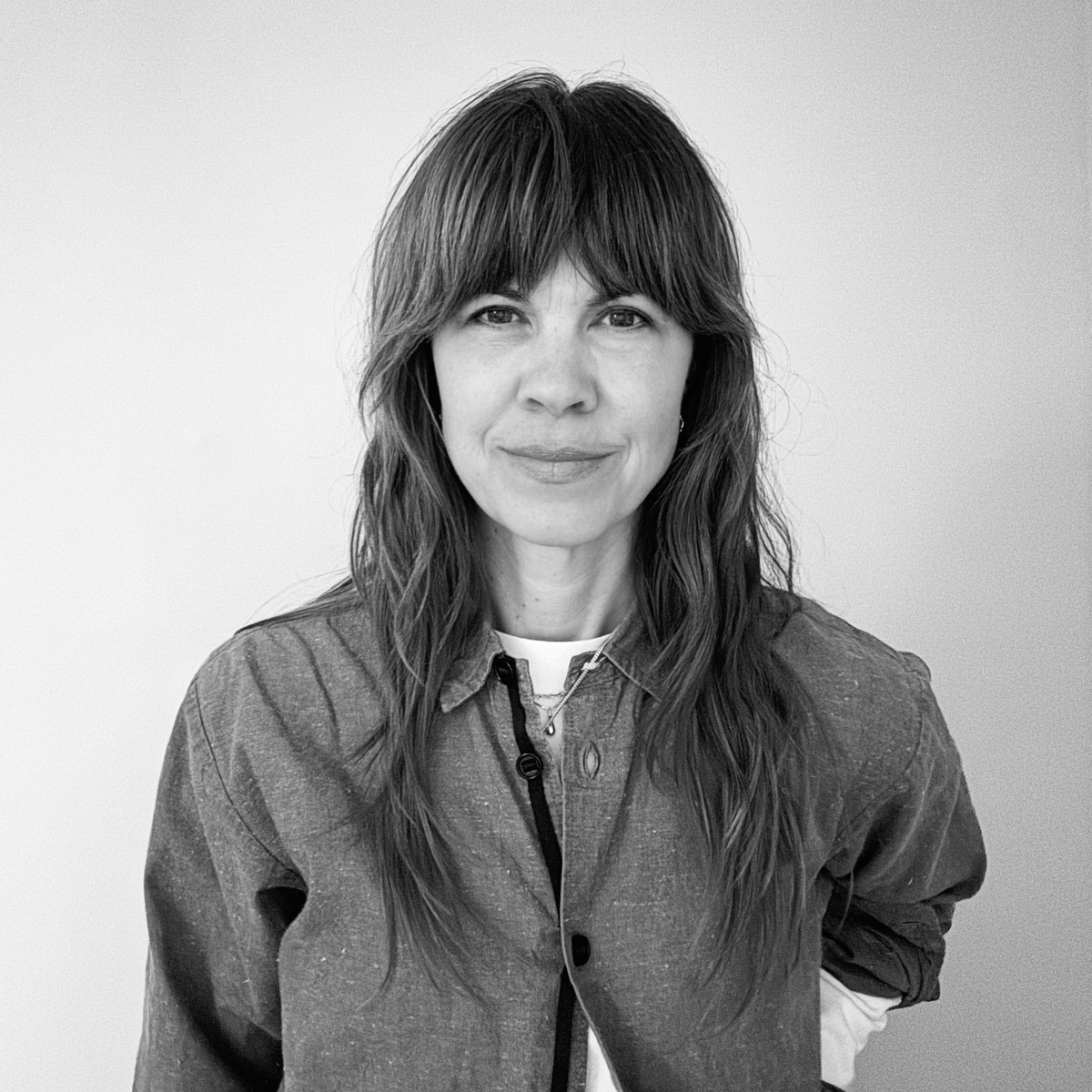
Dödsdoula & grundare/founder of Minnesverket
Jeanna Bäck Giray is a Certified Death Doula®, funeral advisor, and founder of Minnesverket. She believes in the power of human support – that we need one another, especially when life feels fragile or difficult.
Perhaps you have started thinking more about life and death, are facing illness yourself, or are close to someone who is ill. With Jeanna, there is room for all your thoughts, questions, and feelings. You do not need to know what you want to talk about or where to begin. She meets you where you are and accompanies you wherever you wish to go – at your own pace.
For family members and loved ones, support can also mean relief when time or energy is running low – help with sorting through everything that needs to be done, as well as guidance in navigating what it means to be close to someone who is dying.
Jeanna is there for both the practical and existential aspects of this journey. She wants to help us feel more comfortable talking openly about death and create spaces where people can feel safe, less alone, and truly seen.